Literature review · Finite element modelling
Bone Biomechanics
- At a glance
- 31-page critical review of cortical bone material models for patient-specific finite element diagnosis of osteoporosis
- Methods
- Literature review, constitutive modelling, finite element simulation workflows
Overview
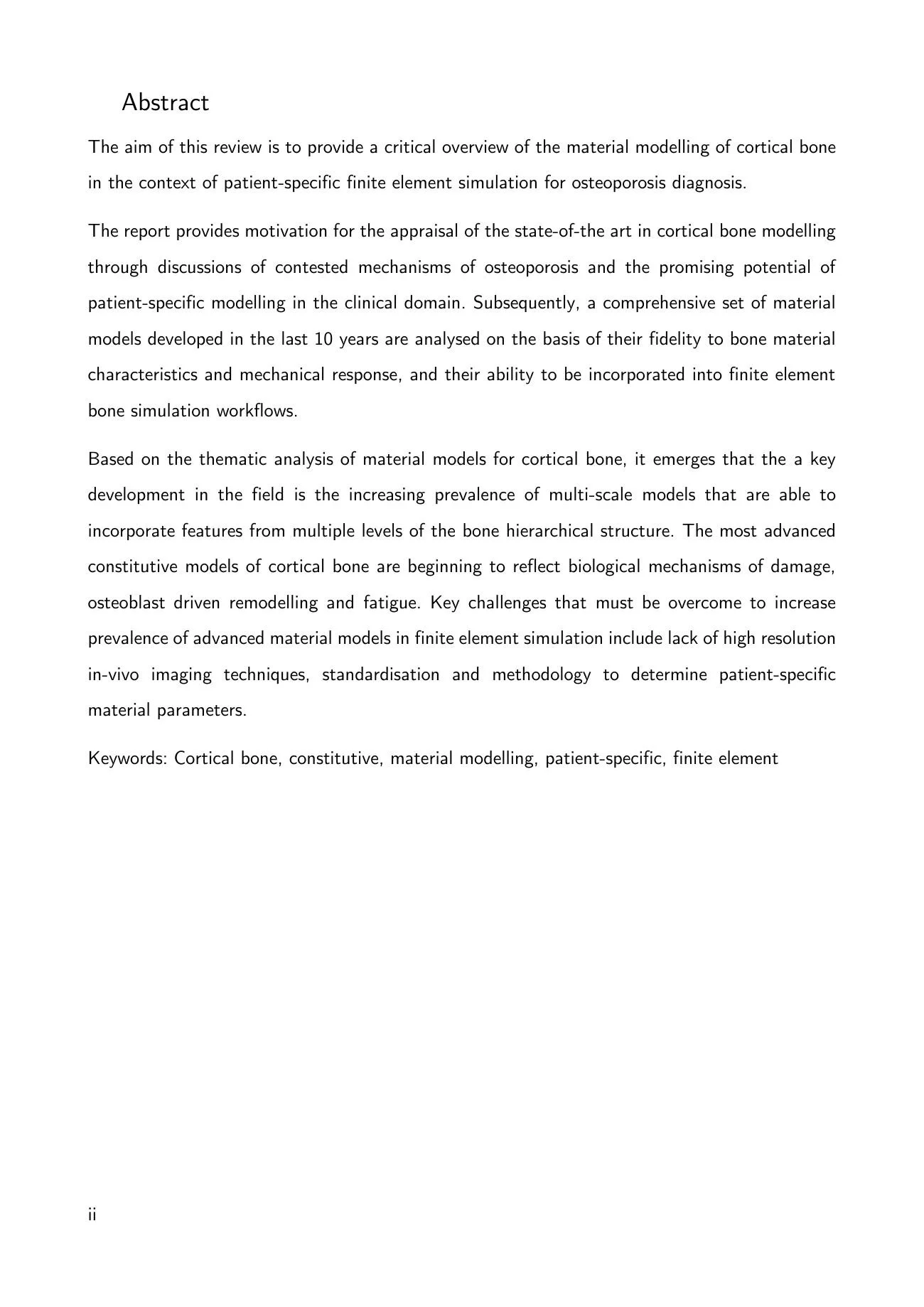
The aim of this literature review is to provide a critical overview of the material modelling of cortical bone in the context of patient-specific finite element simulation for osteoporosis diagnosis.
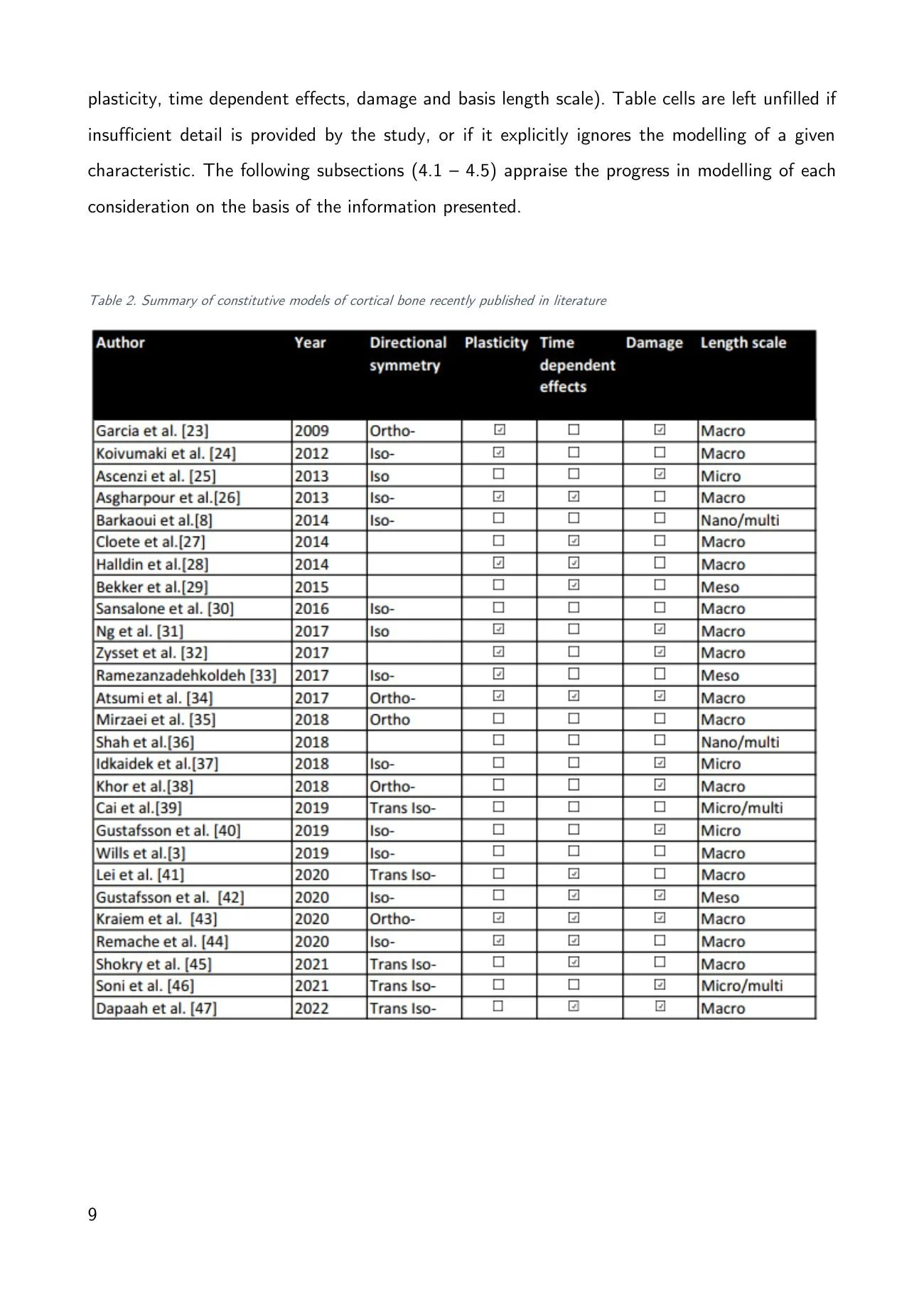
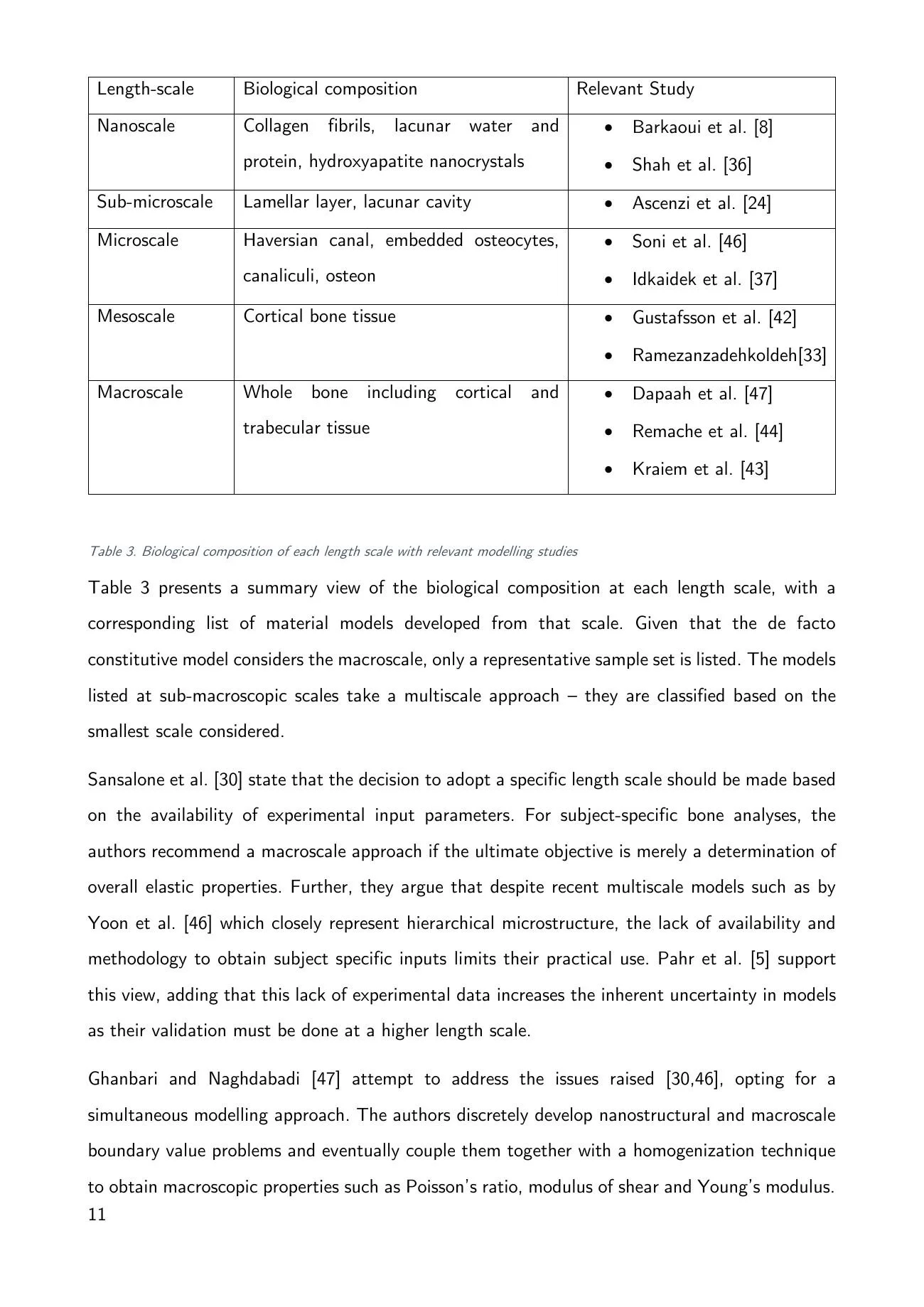
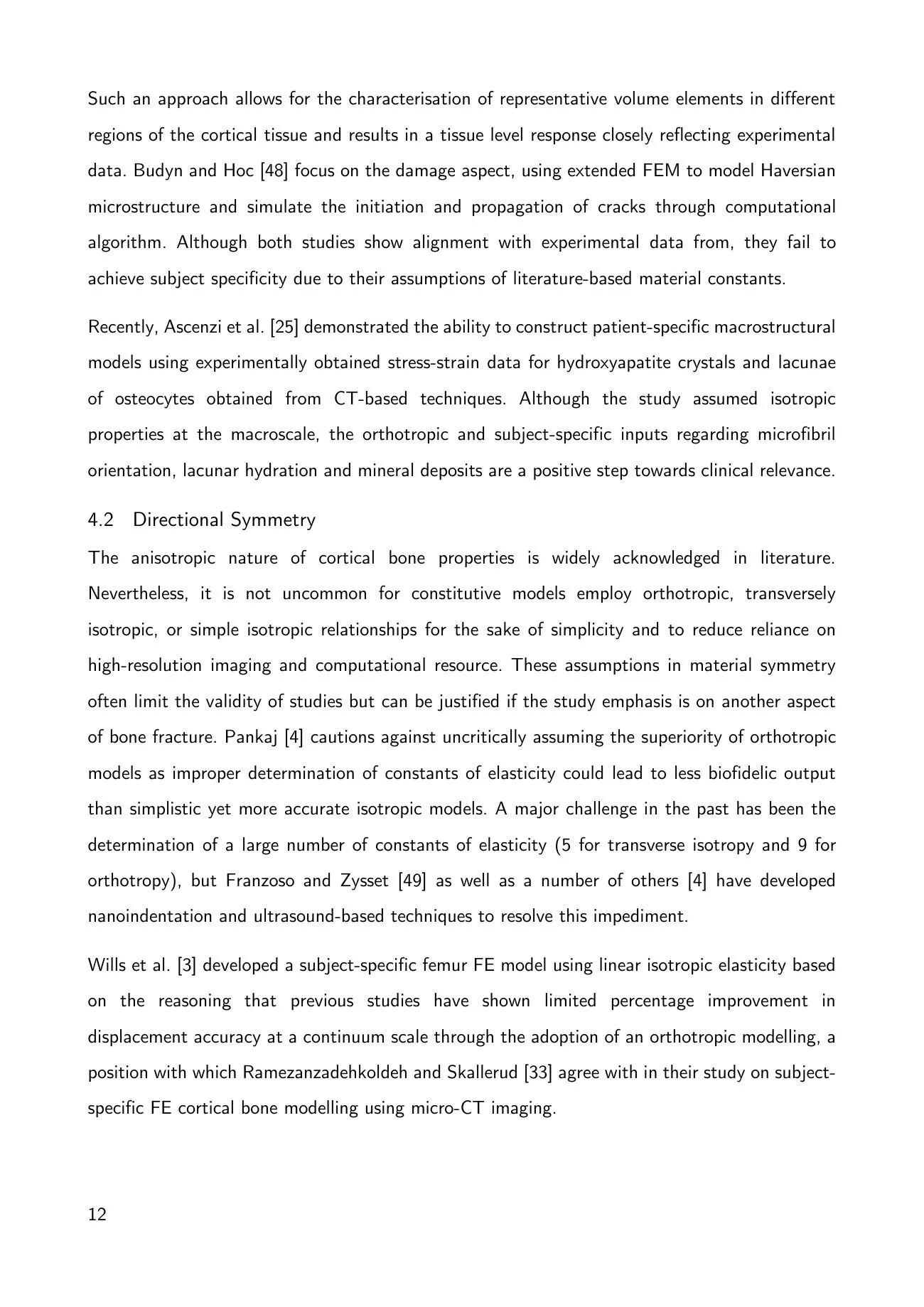
The report provides motivation for the appraisal of the state of the art in cortical bone modelling through discussions of contested mechanisms of osteoporosis and the promising potential of patient-specific modelling in the clinical domain. Subsequently, a comprehensive set of material models developed in the last 10 years are analysed on the basis of their fidelity to bone material characteristics and mechanical response, and their ability to be incorporated into finite element bone simulation workflows.
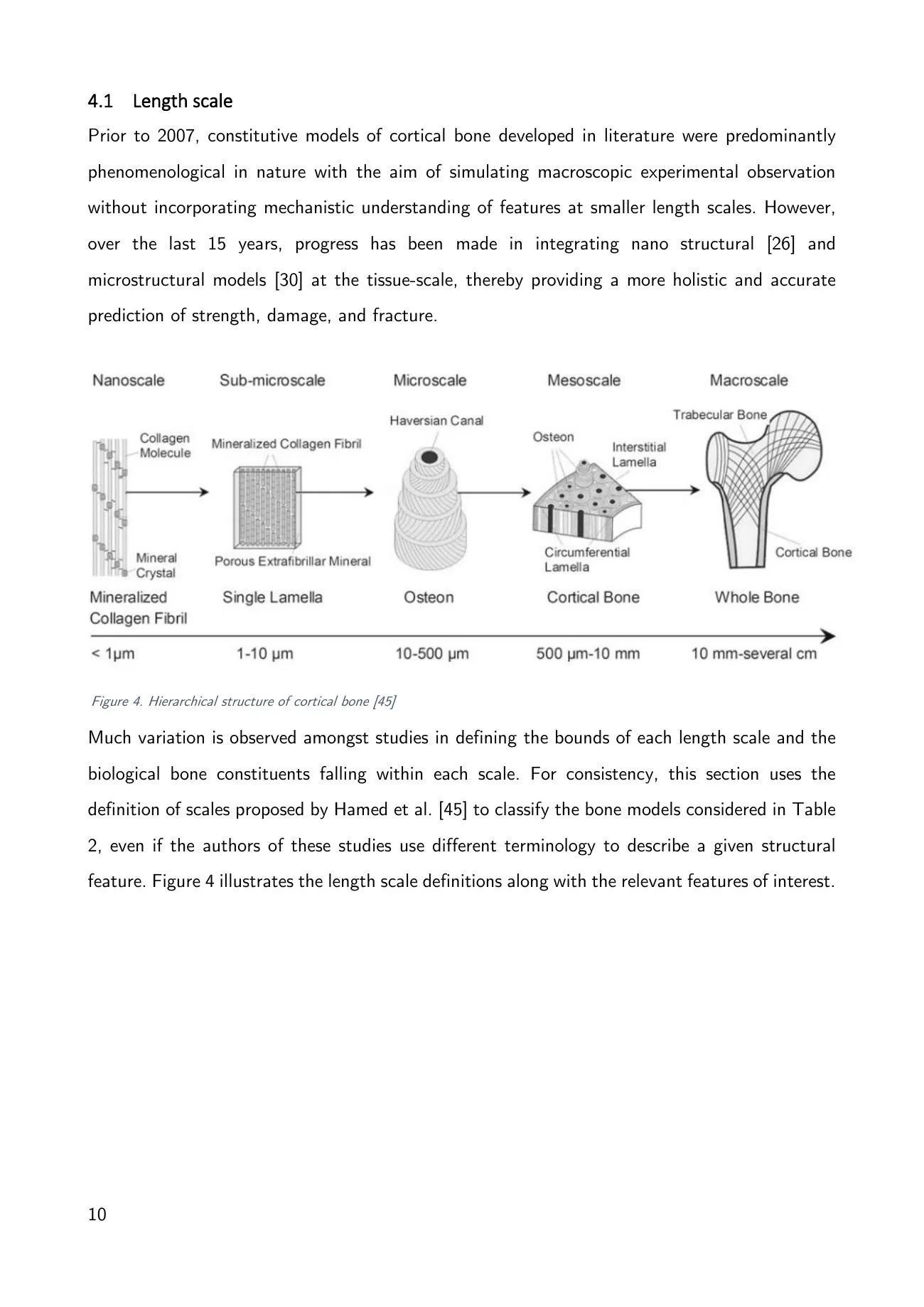
Based on the thematic analysis, it emerges that a key development in the field is the increasing prevalence of multi-scale models able to incorporate features from multiple levels of the bone hierarchical structure. The most advanced constitutive models of cortical bone are beginning to reflect biological mechanisms of damage, osteoblast-driven remodelling and fatigue. Key challenges to overcome include lack of high-resolution in-vivo imaging techniques, standardisation, and methodology to determine patient-specific material parameters.
Read the full review